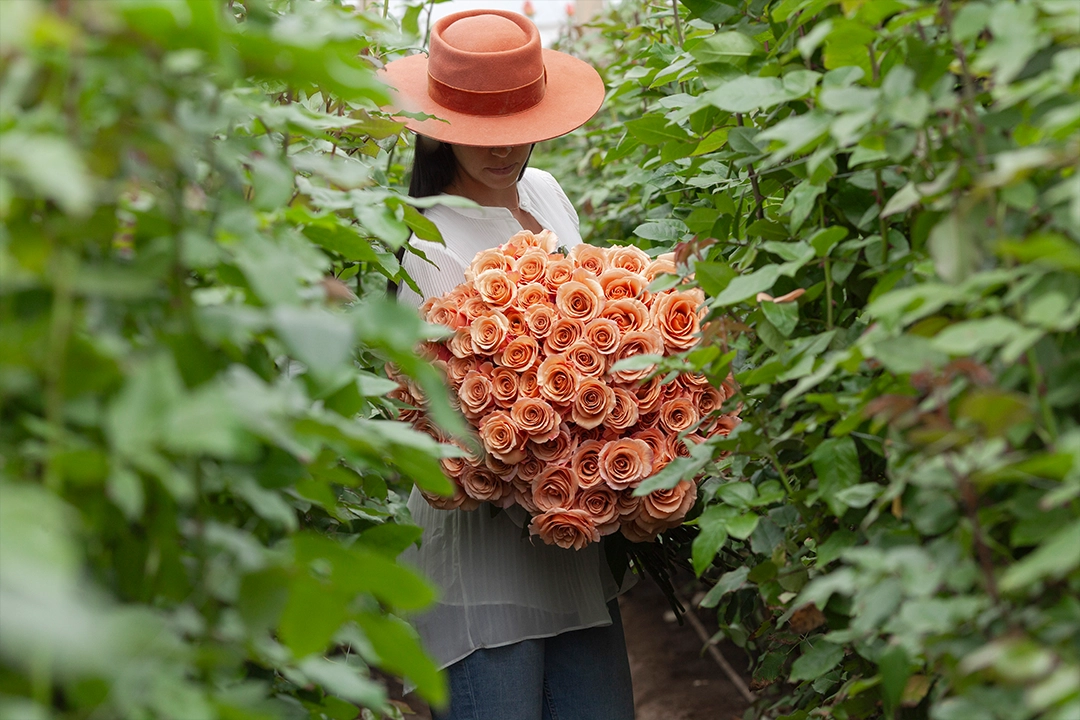
Behind every Ecuadorian rose is a process in which even the smallest detail can determine how the flower opens in your hands and how long it lasts. Join us as we take a behind-the-scenes look at the Rosaprima rose farm, whose beautiful roses you can find in our range.
Large blooms, long, strong stems and rich colours. These are the qualities that have earned Ecuadorian roses their place in floristry. Their distinctive appearance is shaped not only by careful variety selection but also by the conditions in which they grow.
The Rosaprima farm is located in the Cayambe region at an altitude of 2,850 metres above sea level. Its proximity to the equator provides nearly 12 hours of daylight throughout the year, while the high altitude brings cooler temperatures and significant differences between warm days and cold nights. It is this combination that influences how the roses develop.
“A rose here takes around 12 weeks to develop, compared with about 10 weeks in warmer lowland climates. That longer cycle shows in the flower: larger buds, longer and stronger stems, and saturated color. Slower growth and daily temperature changes also make the flower more resilient, supporting a longer vase life,” explains the Rosaprima team.
But nature alone is not responsible for the final quality. Just as important are the grower's decisions about which variety to choose, when to harvest it and how to handle it afterwards.
You might be surprised to learn that the moment a rose is harvested can determine how it opens in the finished arrangement. Rosaprima therefore establishes the correct cutting stage for each variety individually, while it is still being tested. If a grower cuts a rose even slightly too early or too late, it may open differently than you expect.
“Consistency is the standard. Every rose is evaluated by hand against the same parameters, every day,” explains Rosaprima. These include the cutting stage, bud size, stem length, foliage quality and the absence of handling damage. “A rose that falls short on any one of these parameters stays on the farm.”
A similarly careful selection process applies to new varieties. Every new variety first undergoes an extended period of observation in a dedicated testing area on the farm. It must pass two tests:
“Wholesalers need a rose that travels well, holds its quality across shipments, and sells through. Designers look at color, petal form, and above all, how the rose opens,” explains the grower.
Some varieties may attract attention with their unusual appearance but fail to withstand transport. Others may meet demanding quality standards but fail to generate sufficient customer interest. Only those that succeed in both areas become part of the Rosaprima collection.
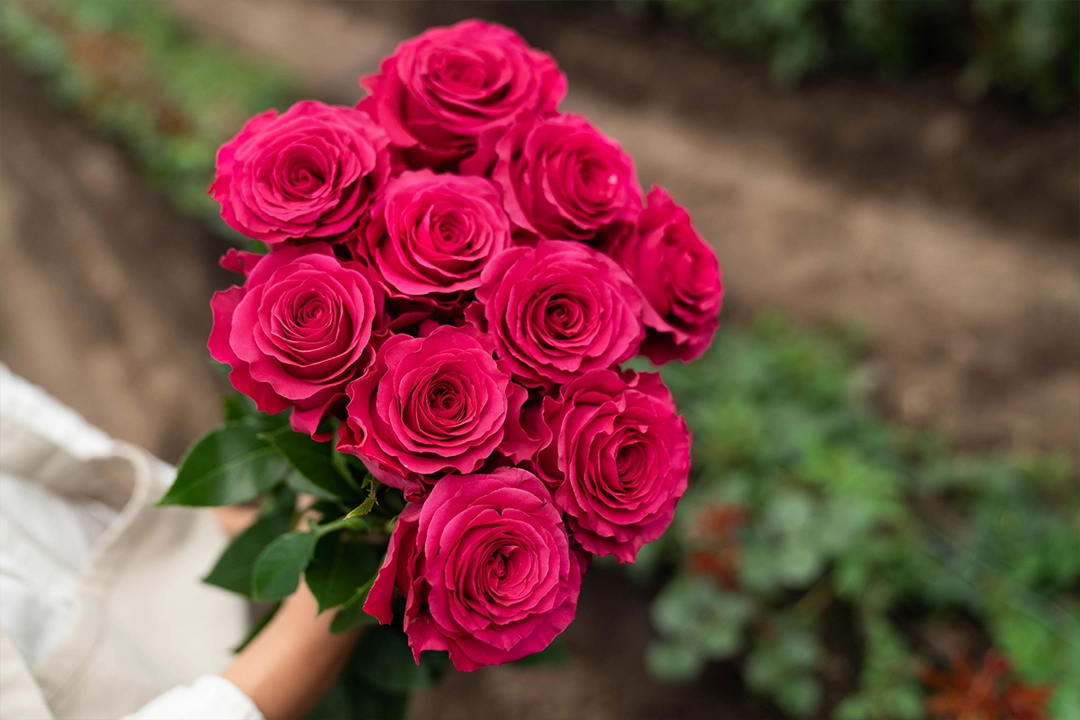
Once a rose reaches the correct stage, it is time for harvesting. And from that moment, the clock starts ticking.
“We cut the rose in the greenhouse at its defined stage and place it in water almost immediately. It then moves to our post-harvest area, where we classify it by stem length and bud size, then bunch and sleeve it. From cut to fully processed, the whole sequence takes about four hours,” explains Rosaprima.
The packed roses then spend the night in cold storage. From there, they travel by refrigerated truck to Quito Airport before being flown to their final destination. According to the grower, maintaining an uninterrupted cold chain throughout the journey is essential.
Rosaprima roses reach the European market through an international distribution network. Thanks to our direct collaboration with the Rosaprima farm, we can also offer these premium Ecuadorian roses to St. Gabriel customers, who can find them in our cut flower range.
By the time the roses appear in our wholesale selection and subsequently in your flower shop, they have travelled thousands of kilometres and passed through several important stages of processing, storage and transport.
Each of these steps affects their final condition. And what happens to a rose during the first few hours after delivery is just as important.
The large blooms of Ecuadorian roses are one of their most distinctive qualities. However, after a long journey, their weight requires particular attention.
During transport, roses lose water and their stems can soften. Once the stems have been recut and placed in water, they gradually regain their strength. According to Rosaprima, the area directly beneath the flower head, known as the neck, is the last part to recover.
“Large-headed Ecuadorian roses carry real weight at the top of the stem. The sleeve keeps each head upright and supported while the neck recovers, so the heads hold up when you open the cardboard. If you remove it too early, the heads can break or drop,” warns Rosaprima.
A stem bending just below the flower head is known among florists as bent neck. When this happens, water flow to the flower head can be restricted, and according to Rosaprima's experience, the condition rarely reverses. The protective sleeve also keeps the flower heads separated as they open, protecting the outer petals from bruising.
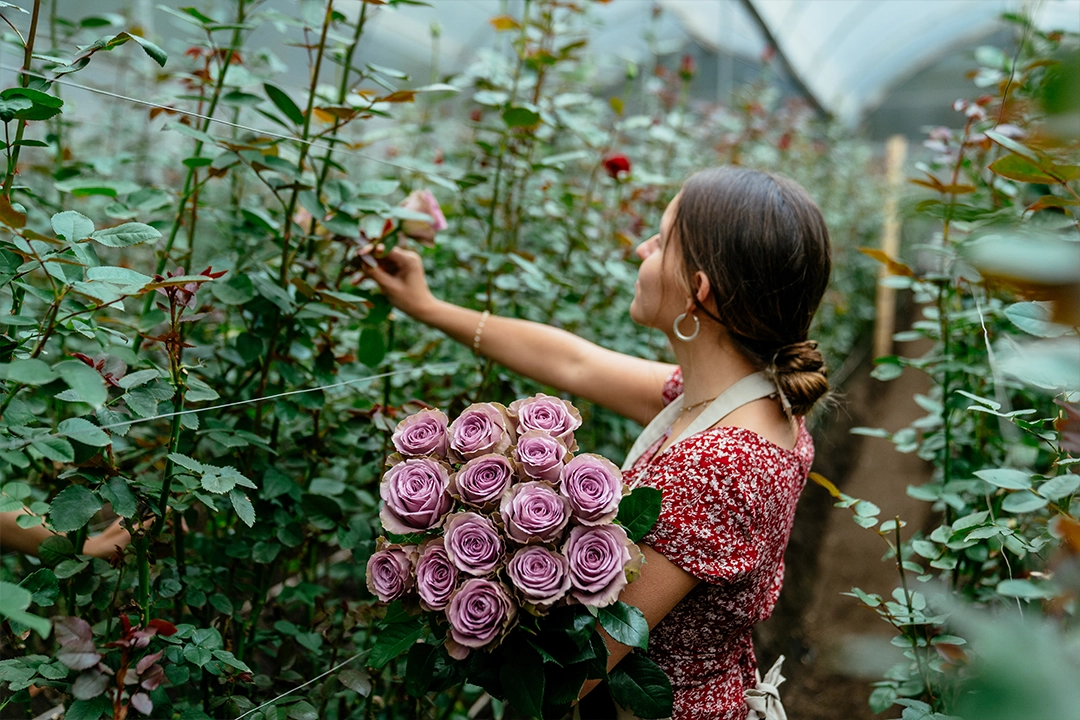
Rosaprima recommends the following procedure:
Maintaining appropriate storage conditions is also essential. According to Rosaprima, the most common mistakes include:
“A rose that left the farm in excellent condition depends on these first hours for its vase life. Each step takes minutes, and it protects days of performance in the final design,” adds the grower.
That is why we also focus on the proper preparation of Ecuadorian roses in collaboration with our customer Kytka jako Brno. Together, we have also created a practical video showing how to prepare and care for Ecuadorian roses properly, helping them retain their beauty and quality for as long as possible.
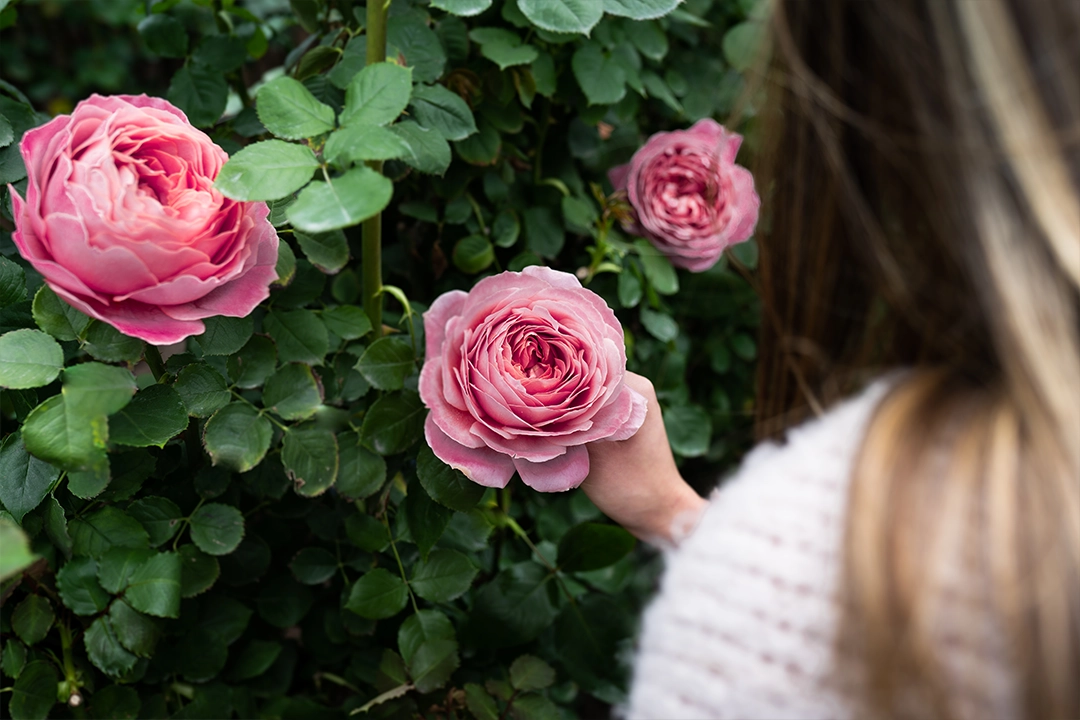
Once the roses arrive at the flower shop and have been properly prepared, it is time for what they were grown for in the first place – floral design.
“Garden-like roses, such as Powder Puff, continue to gain ground, and florists increasingly want that shape combined with a long vase life. Novelties with high petal counts and large heads also draw a lot of attention,” reveals Rosaprima.
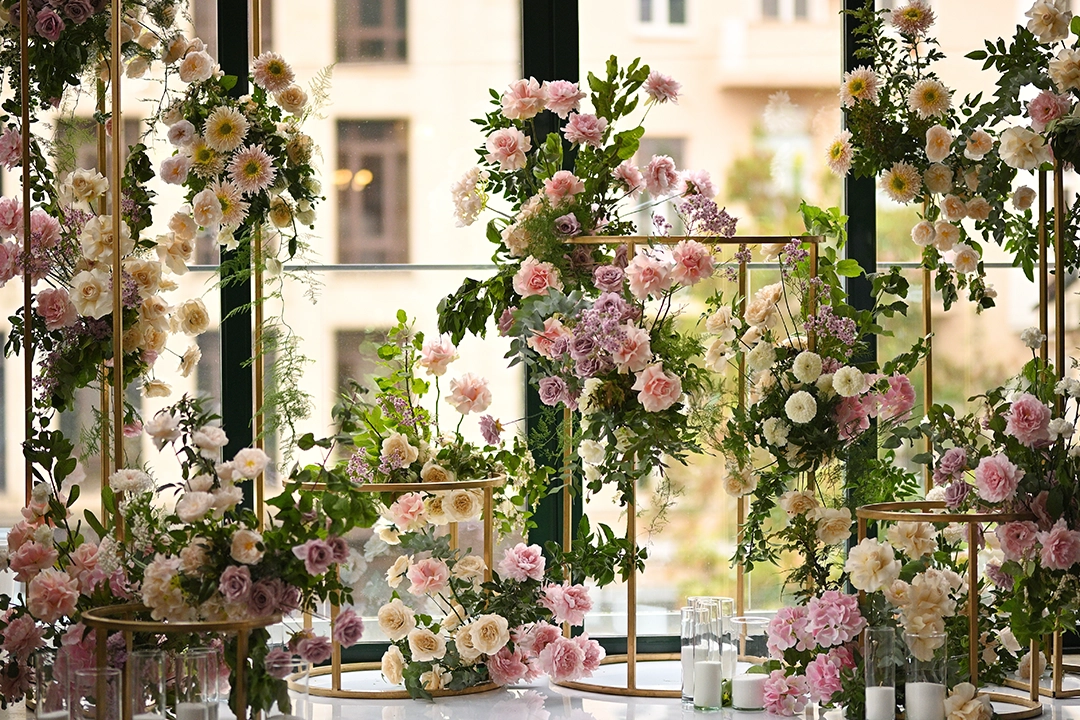
Alongside classic large-headed roses, arrangements increasingly feature multi-flowered roses (spray roses) and other specialty flowers, including ranunculus and anemones from the Floraprima range. Seasonality also plays an important role. According to the grower, each season is developing an increasingly distinct colour palette. This trend can be seen in both Europe and the United States, although the changes tend to be more subtle in Europe.
An interesting floral arrangement does not have to rely solely on combining several bold colours. Contrasts in flower size, shape, petal texture or the way different varieties open can be just as important. Read more in Rosaprima's article: The Role of Contrast: Thoughtful Pairings in Floral Design.
The next time you choose roses for your floral arrangement, remember that it is not just about their colour, size or shape. Behind each rose are weeks of cultivation, careful variety selection and the manual inspection of every stem. And what would Rosaprima like Czech florists to know about its roses?
“That a Rosaprima rose arrives the same way every week: the same bud size, the same vase life, the same color,” explains a Rosaprima representative. “The opening shows in the florist’s hands: once the rose starts to open, the whole bunch opens evenly. For a florist, that means every stem in the bunch can go into the design, and no stems are lost.”
You can order premium Ecuadorian roses from Rosaprima from the comfort of your home through the St. Gabriel e-shop. All you need to do is register.