The Damask rose was probably first cultivated in ancient times in the Middle East by the Persians. It was also grown in ancient Rome and Greece, but it did not reach Europe until much later, in the 12th or 13th century, when it was brought here by the Crusaders. Its predecessor was Rosa gallica.
Thanks to its long history, beauty, and intense fragrance, the Damask rose earned the nickname the Queen of Flowers. And as you will see, this is more than just poetic exaggeration.
Based on the description so far, you may be surprised to learn that at first glance, it is not the showy type of rose you would expect to see in a florist shop. The Damask rose is a robust, arching shrub that grows to approximately 2 metres in height and has densely thorny stems. Its leaves usually consist of five leaflets, are light green, and are slightly hairy on the underside.
The flowers themselves are relatively small and flat, blooming in pastel shades of pink and white. What they lack in size, however, they make up for with an intense, rich fragrance that makes them so highly prized.
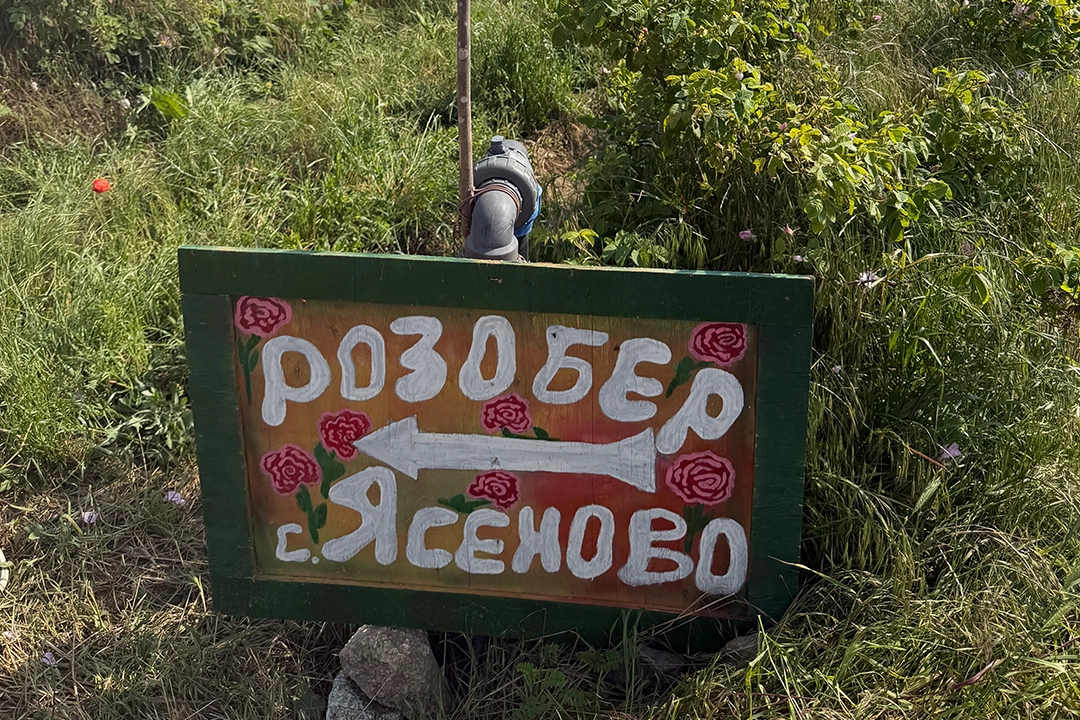
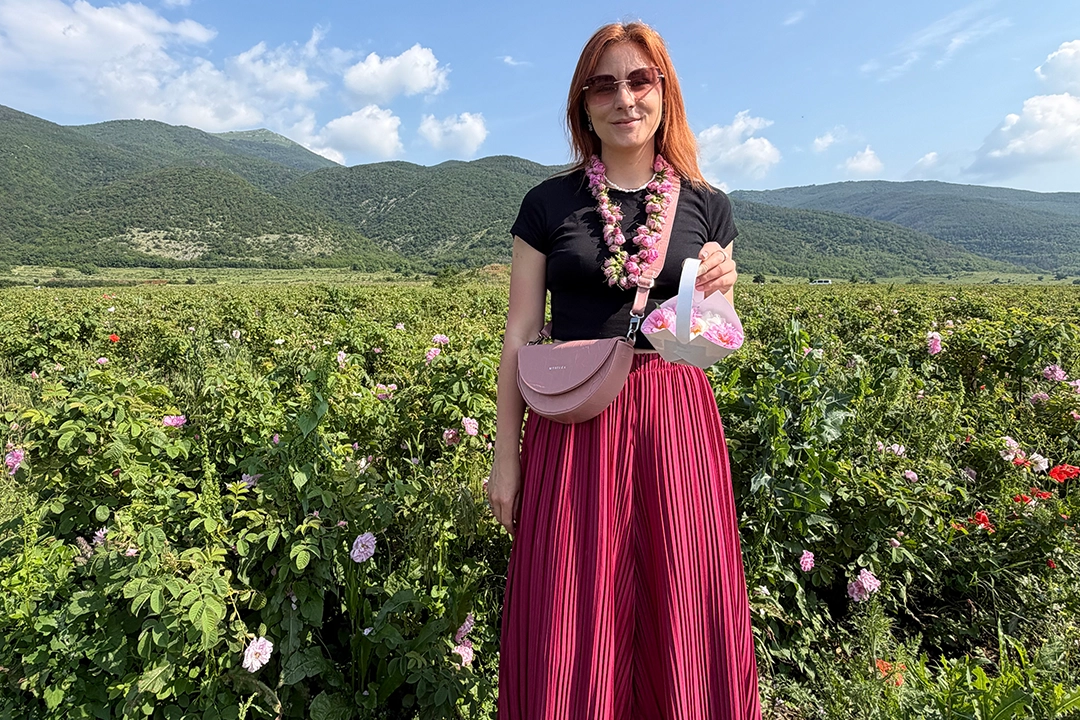
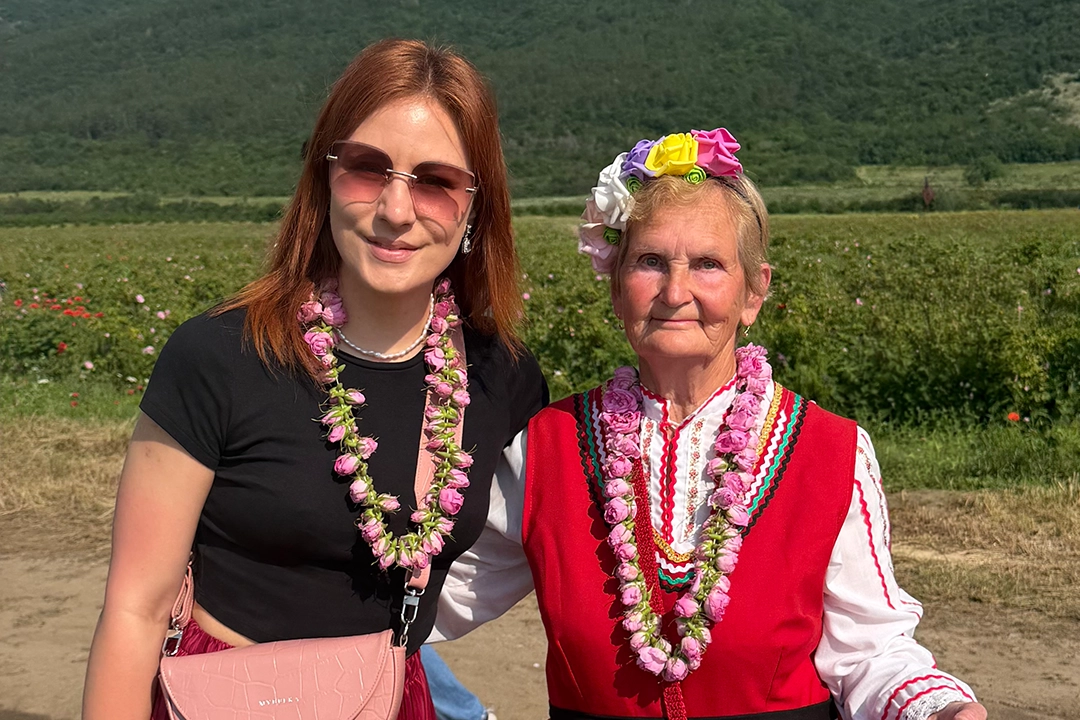
If there is one place in the world that is inseparably linked to the Damask rose, it is Bulgaria’s Rose Valley (Rozova dolina in Bulgarian). It is an approximately 120 km long valley in central Bulgaria, bordered by the Stara Planina mountain range to the north and the Sredna Gora mountain range to the south.
The unique microclimate, influenced by warm air coming from the sea, creates ideal conditions for growing roses on a large scale. It is therefore no surprise that up to 70% of the world’s rose oil production comes from this region.
Distilling the petals of the Damask rose produces a substance that plays a key role in the global perfume industry. The cultivar most widely grown in Bulgaria is called Trigintipetala and was developed as early as the 17th century. It is also sometimes called the Kazanlak rose, after the town of Kazanlak, which lies at the heart of the region.
Among other attractions, Kazanlak is home to the Rose Museum, but most importantly, the famous Rose Festival takes place here at the beginning of summer. During the festival, you can experience:
For florists and flower lovers alike, this is a unique opportunity to see where the raw material you normally encounter only as a drop in perfume or an ingredient in cosmetics actually comes from.
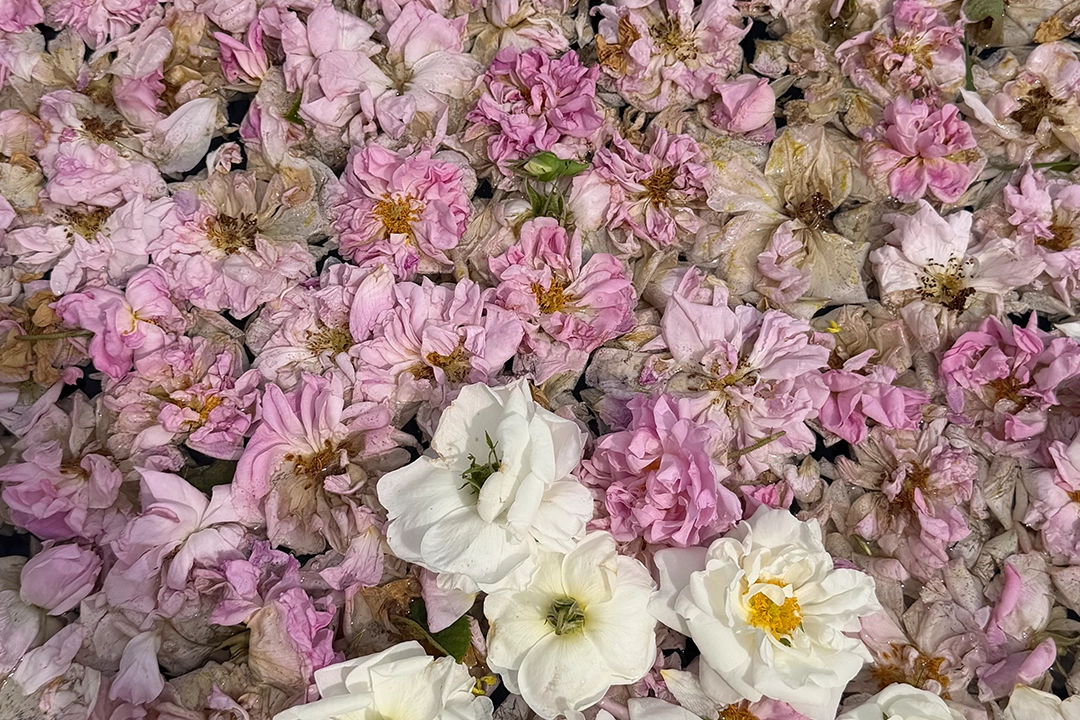
The Damask rose is not only a beautiful addition to gardens or a raw material for the perfume industry. It is also used in gastronomy, cosmetics, and aromatherapy.
By the way, did you know that producing just one gram of oil requires 3–3.5 kg of rose petals? The entire process also needs to be carried out quickly and with precise timing. The petals are usually picked early in the morning, when their fragrance is at its strongest, and must be processed on the same day. The entire harvest then lasts approximately one month.
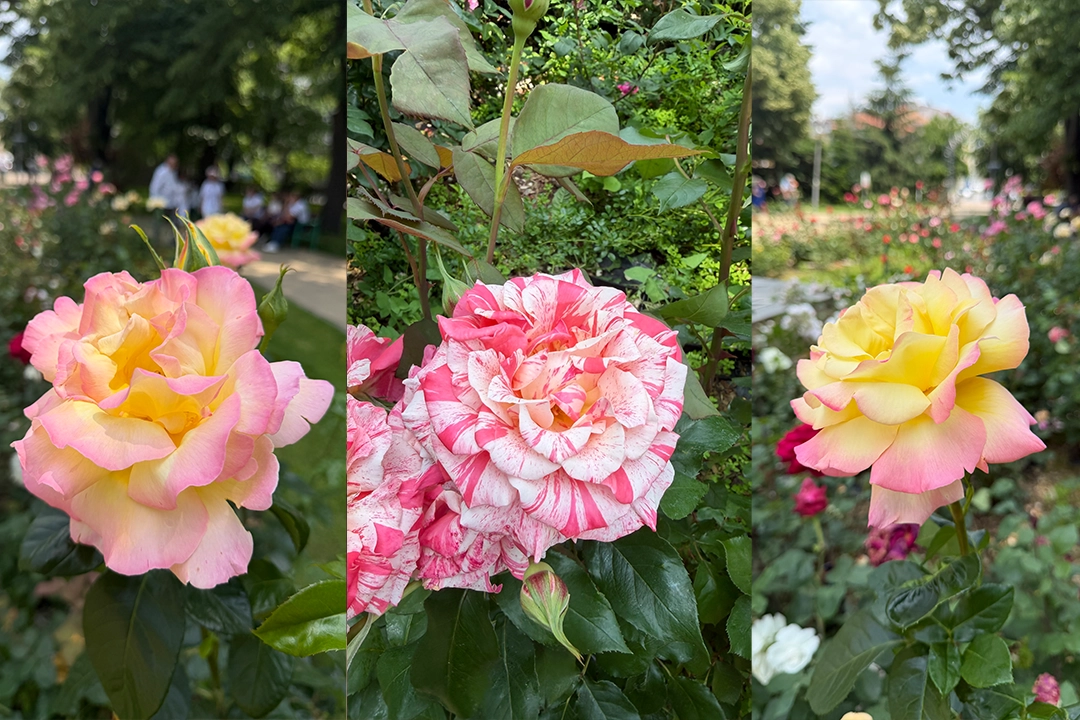
Would you like to bring a piece of the Rose Valley home? You can grow the Damask rose in our climate too.
We recommend planting it from October to May. Plant the shrubs approximately 3–5 centimetres deep, leaving sufficient space between them (around 1 metre). Plant them in a well-watered planting hole and then firm the soil around the shrub. Afterwards, create a shallow depression around it so that the water does not run off but soaks directly into the soil around the plant.
Based on experience from Bulgaria, it will take approximately 3 years for your small shrubs to develop into fully grown flowering roses.
The Damask rose is behind an entire Bulgarian valley, a festival, and a tradition that has lasted for hundreds of years. And it is precisely this passion for roses that is why you will find one of the widest selections of roses on the market at St. Gabriel.
Whether you are looking for classic red roses or unusual shades for your customers, we will be happy to deliver them straight to the door of your flower shop. Register for our e-shop and gain access to fresh products from around the world.
This article was prepared for you by our copywriter Oldřiška Hradcová, who lives in Bulgaria and has personally visited both the Rose Valley and the famous Rose Festival. You can watch her video from Kazanlak on Facebook or Instagram.