The idea of celebrating motherhood is far from a modern invention. Similar holidays already existed in Ancient Greece, where fertility was celebrated and the goddess Rhea, the mother of the gods, was honored.
Later, in the 16th century, England celebrated the so-called Mothering Sunday. It took place before Easter and had both a practical and emotional meaning. People were given time off work so they could return home and spend valuable time with their mothers.
The modern version of Mother’s Day originated in the United States. The idea of regular celebrations began spreading in 1907 in honor of Anna Reeves Jarvis, who fought for mothers’ rights.
Mother’s Day was publicly celebrated for the first time just a year later, and several years afterward – in 1914 – U.S. President Woodrow Wilson declared the second Sunday in May an official nationwide holiday honoring mothers. It is based on this American tradition that we celebrate Mother’s Day the same way today.

Mother’s Day came to Czechoslovakia in 1923, and one of its most important promoters was Alice Masaryk. The holiday gradually found its place in the calendar, but after World War II it was pushed into the background. At that time, International Women’s Day in March became far more prominent.
After 1989, Mother’s Day returned to Czech calendars, and today it is celebrated just like in most of the world – on the second Sunday in May. Some countries celebrate motherhood at a different time of year, but in most cases it still takes place in May. An exception is Eastern Europe, where in countries such as Romania or Bulgaria, Mother’s Day merged with International Women’s Day and is celebrated on March 8.

According to an NMS survey, as many as 55% of Czechs celebrate Mother’s Day. However, only one-third of people actually plan to spend the day with their mother. Most people choose a small gift, with flowers clearly dominating – 64% of Czechs buy flowers for their mothers. Sweets are chosen by 34% of respondents, while 18% plan a shared experience or activity with their mom.
Interestingly, while around 34% of mothers expect flowers as a gift, even more would appreciate spending quality time together. Up to 55% of Czech mothers would value that the most. So besides flowers, surprise your mom with a shared lunch, a walk, or perhaps a visit to the theater.
Although the average spending is usually lower than on Valentine’s Day, Mother’s Day is still one of the strongest flower-selling days of the year. According to the Czech Union of Florists and Flower Growers, flower shops achieve more than five times their usual sales during this period.
You may be surprised to learn that Mother’s Day is also the time when the highest number of flowering potted plants are sold throughout the year, mainly because they last longer. When it comes to cut flowers, Valentine’s Day still remains the leader.
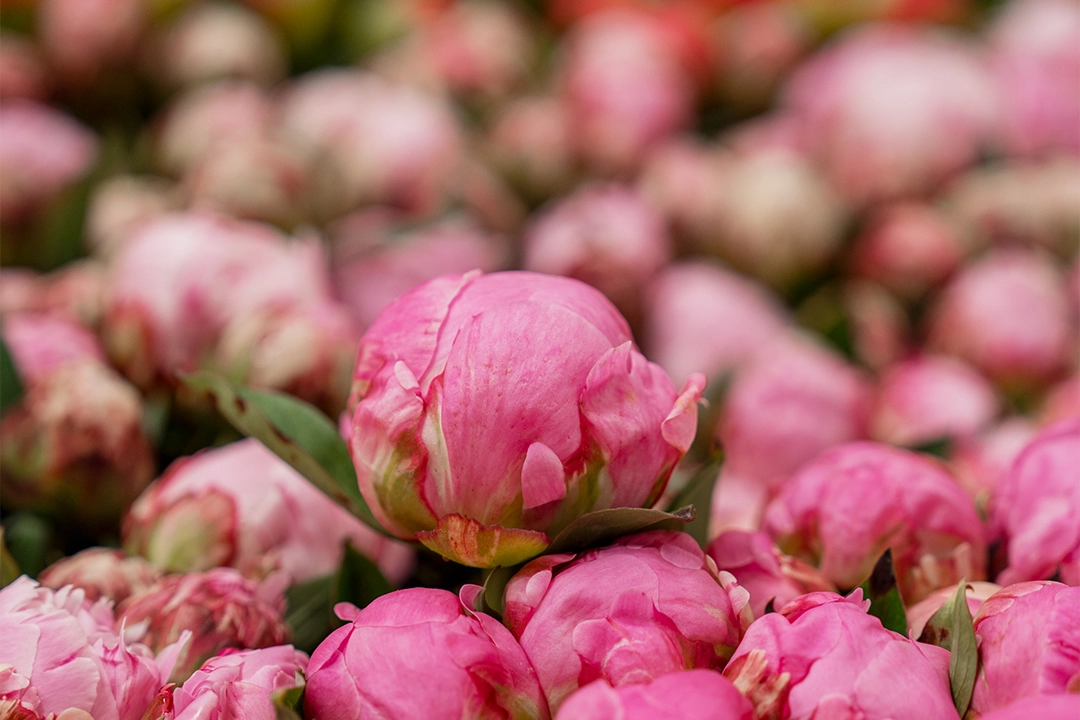
Czechs usually spend between 800 and 1,200 CZK on flowers for their mothers. Customers most often choose mixed colorful bouquets composed of typical spring flowers. “For Mother’s Day, hydrangeas and peonies are the most popular because they are in peak season during this period,” says our buyer Kateřina Kracíková.
Other popular flowers include:
There is also strong demand for wildflower-style bouquets, which feel natural, delicate, and less formal.
While customers often come to buy bouquets only on Saturday or Sunday, Mother’s Day starts much earlier for flower shops and wholesalers. Every year, it also becomes a race against time.
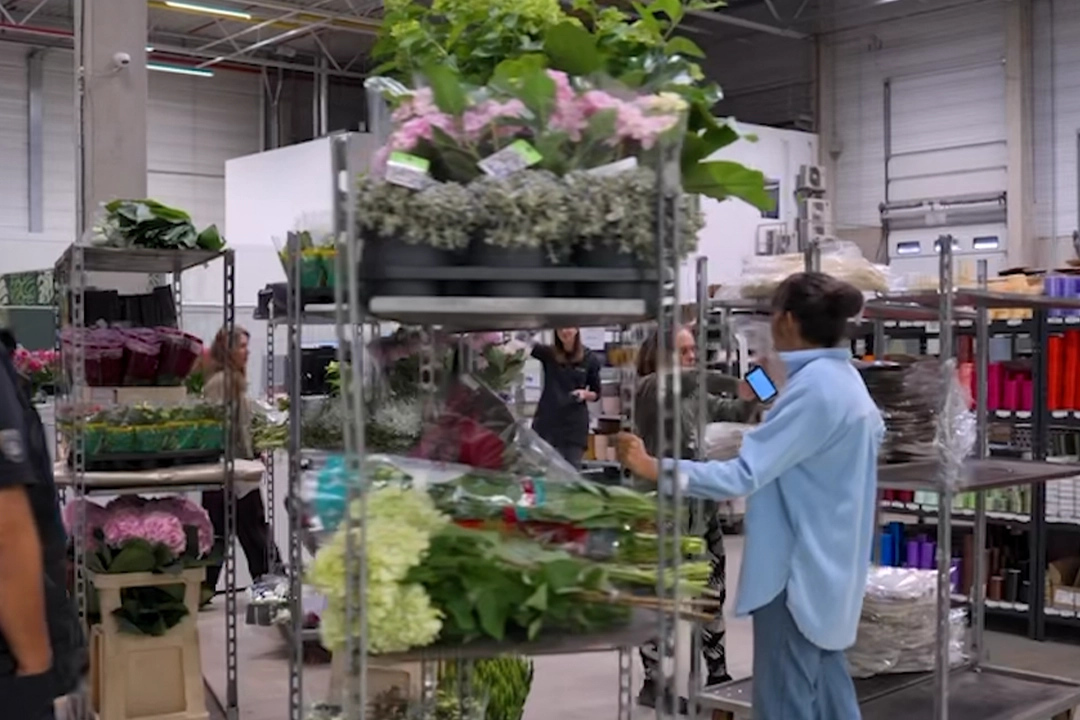
“Unfortunately, flowers are a product that eventually dies, so flower shops cannot prepare bouquets two weeks in advance, and we also cannot buy them two weeks ahead. Everything happens roughly a week beforehand, when we suffer together with the florists,” laughs Kateřina.
Just like on Valentine’s Day or International Women’s Day, Mother’s Day also brings increased demand for specific flower varieties. This mainly concerns seasonal and highly desired flowers such as peonies and hydrangeas.
“When Mother’s Day comes and someone at the Dutch flower auction decides they absolutely need a certain type of flower and are willing to pay a significantly higher price for it, the price goes up for all of us,” explains Kateřina.
Mother’s Day is one of the key moments of the spring season for florists. Make sure you have enough stock of popular flowers that will delight mothers, grandmothers, and partners alike.
In our e-shop, you will find a wide selection of cut flowers, potted plants, and floristry supplies from trusted suppliers. All you need to do is register.